Phased programs

Addressing Safe Motherhood: The Low Risk Birthing Center

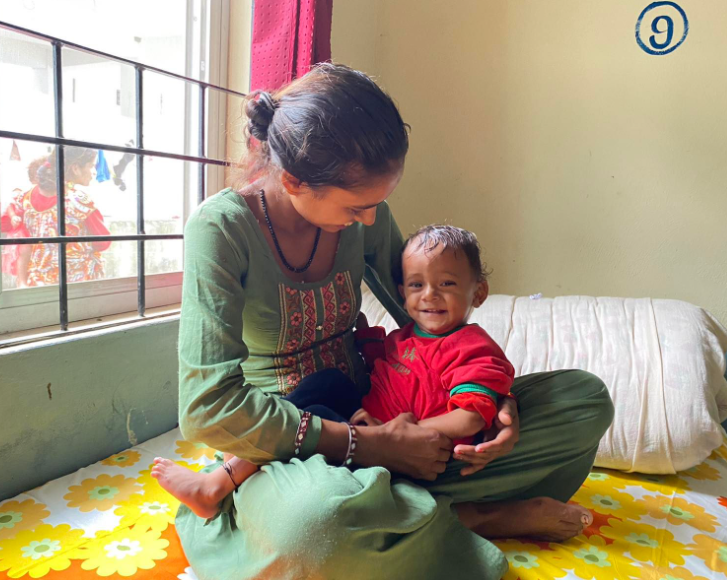
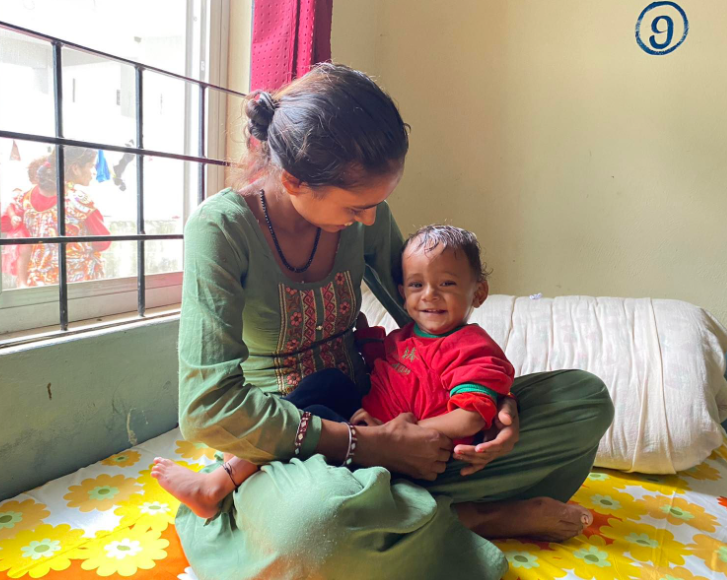
The maternal mortality rate of Nepal is one of the highest in the world. Nearly 93 per cent births take place without medical aid and under unhygienic conditions. A small survey conducted by RUWDUC in 1995 revealed extremely poor conditions of women, especially pregnant women, in the far western region of Dadeldhura district. Living under difficult conditions, they are married off at a young age and become pregnant at an early age also. Low maternal care during anti-, pre- and post-natal stages, closely spaced pregnancies, and social and cultural preferences for a male child are major factors responsible for maternal and child deaths. This programme was conceptualized bearing in mind the poor conditions of young girls and women and the lack of attention given to their health. The health and sanitary conditions of the majority populace of the district remains extremely poor due to a lack of health awareness and inaccessibility of the larger population to existing health facilities. Thus, with financial support from the Britain Nepal Partnership Fund, RUWDUC established a Low Risk Birthing Center (LRBC) situated in Jogbuda VDC, in the terai belt of Dadeldhura District. A local SLC pass girl, was identified and provided scholarship to become an ANM, by RUWDUC and upon completion of her studies was operating the Birthing Center.  Objective   Provide pre natal, ante natal, post natal and normal delivery services. Awareness Raising on Reproductive Health/Safe-motherhood issues through collection and distribution of IEC Materials (posters, pamphlets) and orientations. Orientation/trainings to existing Women’s Group, Female Community Health Volunteers (FCHV) and adolescent youth on the importance of safe-motherhood/ reproductive health issues and relevant contextual social norms and values. Promotion of the Low Risk Birthing Center and its services. Provide referral services. Target Areas The programme was conducted in the three most populous VDCs of Jogbuda, Alital and Sirsha situated in the southern part of Dadeldhura District.  Major components/Activities  Providing general health check-ups to adolescent girls, pregnant women, lactating mothers and young mothers were the major function of the LRBC. Its principal function was to provide ante-natal, pre-natal and post-natal check-up and provide assistance during normal deliveries. Medicines such as vitamins, iron tablets, frolic acid tablets and etc. were also distributed. Complicated cases were referred to the Team Hospital in Dadeldhura Municipality or the Government Hospital in Dhangadi District. The LRBC also aimed to strengthen and assist existing government health infrastructure such as Health Posts and Sub-Health Posts in the surrounding area. The interest of the community in utilizing the birthing center had been very keen and the overall impact of the project proved to be very beneficial to the target group, which includes women and children of the area. The LRBC provided its services to a total of 12,463 women and children of Jogbuda, Alital and Sirsha VDCs since its establishment. Following are some data:   Total number of services provided from 1997 to May 2005 Total number of Ante Natal Patients 8,928 Total number of Post Natal Patients 167 Total number of Gynecological Patients 534 Total number of General Patients 1,874 Total number of check-ups provided for children under 5 years 580 Total number of deliveries conducted in the Low Risk Birthing Center 380 Complicated deliveries such as vacuums delivery, retained placenta, cord round, delivery of twins, etc. were also conducted in the center. Mobilization and creation of awareness especially, amongst young women, on the importance of reproductive health and provision of primary level gynecological services was a prime activity of this programme. Women’s Groups were used as a medium to encourage pregnant women and young mothers to access the services of the Low Birthing Center. The awareness program enabled the people to become more aware of maternity issues as a result of which there was a substantial increase in the visits being made to the LRBC. Orientations on safe motherhood were provided to 409 individuals including mothers and fathers of local community groups, multi sectoral groups, community leaders, health providers and TBAs. Orientations were also provided on contextual social norms and values and the importance of Reproductive Health and Safe Motherhood issues were also provided to 81 representatives of existing women’s groups of the VDCs of Jogbuda, Alital and Sirsha. Refresher orientations A refresher course was provided to 114 Female Community Health Volunteers (FCHV) on critical issues such as Reproductive Health, Safe Motherhood, Nutrition Education, Violence Against Women and Family Planning. The overall goal of this programme was to re-activate the FCHVs and encourage them to motivate pregnant women and mothers to seek necessary services at the RUWDUC Birthing Center as well as other government facilities. Upon completion of the programme in 2005 the Birthing Center (both building and equipments) were handed over to the newly established District Hospital in Jogbuda VDC of Dadeldhura District. Time Frame : November 1996 – June 2005

Addressing Safe Motherhood: The Low Risk Birthing Center Read More »
Research and Health Camp on Uterus Prolapse among Women

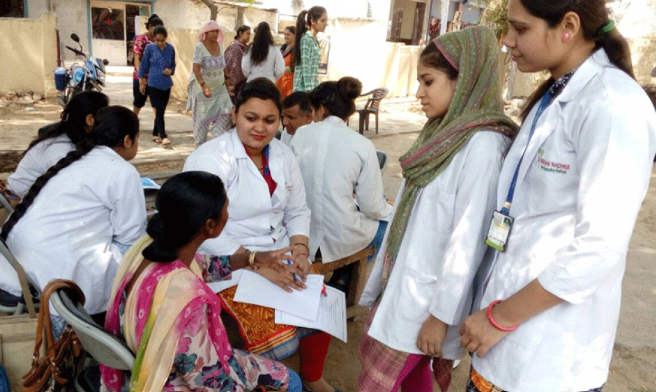
The Low Risk Birthing Center had tremendous positive impact in supporting women of the targeted areas since the progammes initiation. During the programme duration the nurses at the Center had regularly mentioned various key problems that women in the area face and their impacts on the personal health of the women. One such reproductive health related problem was uterus prolapse which many women as well as family members are either ignorant about or refuse to discuss. This is a problem which results in serious health and other related impacts which range from physical, psychological, social and impact on new born babies. Such a problem further negatively affects not only their individual life of the woman but their entire family and society as well. Objective Conduct a research in the target area to identify vital information relating to the issues and causes behind uterus prolapse. Conduct a Health camp on gynecological check-up for the women of the target VDCs to improve reproductive health of women. Raise awareness on uterus prolapse and safe motherhood issues. Target Areas The programme was conducted in the three most populous VDCs of Jogbuda, Alital and Sirsha situated in the southern part of Dadeldhura District. Major components/Activities Health Camp: A two-day gynecological check-up camp was conducted to ensure that the community directly benefits along with the process of gathering data for the research. Awareness Raising: Introduction of RUWDUC and its activities followed by a video presentation to both entertain and create awareness among the patients on women’s issues. An approximate of 1,000 patients along with their children and guardians viewed the video presentation. Focus Group Discussion: FGD were then held on the issues related to uterus prolapse and safe motherhood issues. A total of 12 focus group discussions were held. Orientation: After the focus group discussions the women were provided information on safe motherhood issues such as proper nutrition during pregnancy, weight of the mother, rest/care during pregnancy and after delivery, appropriate age for childbirth, appropriate spacing between pregnancies and sanitation. Health Checks: A total of 588 patients were provided with health checks and medicines were also distributed to them as per their requirement. A total of 260 prolapse cases were recorded out of which 253 patients were provided with rings and 7 cases were provided information along with appropriate exercises. Questionnaire: A total of 151 prolapse patients were interviewed on the questionnaire that focused on awareness on uterus prolapse, its causes and prevention. Time frame: December 2003 – March 2004

Research and Health Camp on Uterus Prolapse among Women Read More »

Nutrition Rehabilitation Home

Donor : Nepal Youth Foundation Time Frame January – 2007 to June 2011 for Kanchanpur January – 2009 to December 2013 for Kailali and Surkhet January – 2017 to December 2022 for Dadeldhura  Infant and child mortality in Nepal is one of the highest in the country. The programme is being supported by the Nepalese Youth opportunity Foundation (NYOF) who have in the last several year initiated similar programs in a number of other regions. Working in direct linkage with the Zonal hospitals, Sub- regional hospital the NRH building has been constructed where malnoursihed children identified at th the hospital as well as from the community level will be referred. Here both mother and child will have the opportunity to stay for the child’ restoration of health. During this period the caretaker (usually the mother) will also be educated and counseled on the caretaking of the child. Objective   Restore health of severely malnourished children. Provide nutrition education to caretakers, most often mothers, while child is being treated at NRH. Provide information to caretakers about child rearing and hygiene and counseling on family and reproductive health. Create awareness about malnutrition in the communities.   Target Area  Mahendranagar Municipality, Kanchanpur District, Dhangadi Municipality, Kailali District and Birendra Nagar Municipality, Surkhet District, Amargadhi Municipality, Dadeldhura District  Major Components/Activities  Construction of Nutrition Rehabilitation Home in all three target Districts Operation and Management of 10 bed NHR in all three Districts Day to Day operations to implement project on basis of objective The health of a total of 1522 severely malnourished children has been restored and the NRH home of all 3 districts (Kanchanpur 721, Kailali 399 and Surkhet 402). Information has also been provided on nutrition, child rearing and hygiene to the mothers/caretakers while the children were undergoing treatment at the NRH. Implementing Partners RUWDUC and Mahakali Zonal Hospital Development Board, Seti Zonal Hospital Development Board,  Surkhet Hospital Regional Development Board and Sub- regional Hospital Dadeldhura .

Nutrition Rehabilitation Home Read More »

Health

Health Camps  From time to time RUWDUC has undertaken the responsibility of conducting Health Camps in different areas and on different issues. The initiative has been undertaken bearing in mind the inaccessibility of the health facilities as well as the expertise of the skilled doctors to the larger populace. Eye Surgery Camp  An Eye Surgery Camp was organized at the Low Risk Birthing Center in Jogbuda VDC, Dadeldhura District in January 1999. Such a camp had place in the district after a period of 12 years. The WHO financed medicines for the camp, with the technical support being provided by the doctors of the Eye Hospital in Tripureshwor. RUWDUC’s contribution was in the form of transportation, lodging and fooding of the medical team, advertisement, as well as coordination. Approximately 1800 patients registered during the 7-day period. Many had walked eight to nine hours to come to the camp.  Time Frame       : January 7 – January 14 1999  2. Ear Surgery Camp An Ear Surgery Camp was organized in Amargadi Municipality in Dadeldhura District after a period of 20 years. With the medical support provided by WHO and the technical support by doctors of Bir Hospital, the total number of patients expected was approximately 800. However, more than 1500 patients registered and double the expected number of operations was conducted. The Ear Camp was advertised all over the district a month in advance. RUWDUC’s contribution was in the form of transportation, lodging and fooding of the medical team, medicine, advertisement as well as coordination. Men, women and children from all over the district and surrounding districts turned up for check-ups. Time Frame      :  29 November – 4 December 1999 3. Eye Camp An Eye Camp was organized in Duku Chhap VDC in Lalitpur District. WHO provided the medical support and the doctors of Nepal Eye Hospital provided the technical support. The total number of patients registered was 140. The Eye Camp was advertised in the VDC two weeks in advance. RUWDUC’s contribution was in the form of transportation and fooding for the medical team, medicine, advertisement as well as coordination. Men, women and children from all over the district and surrounding districts turned up for check-ups. Time Frame   :  8 June 2002 4. Heart Camps, (2014-2016) RUWDUC organized hearts camp in 2014 and in 2015 in Attariya and the Seti Zonal Hospital premises in collaboration with Jayanti Memorial Trust, Shaheed Gangalal Hospital and Manmohan Memorial Hospital to provide services to people living in the Far-western region of Nepal. These camps serviced men, women and children from Doti, Dadeldhura, Kailali, Kanchanpur, Bajura, Bajhang and Darchula. More than 1,000 persons got free service and medicines from these camps. More than 80 persons have/will undergo free/subsidized heart surgery. Kohalpur Medical College also provided support at these camps. Similarly, RUWDUC in collaboration with the same agencies organized a heart camp in Bardia in February 2015 in partnership with SAATHI, Bardia. The Total Budget for Heart Camp is Rs. 4,30,000.00 (In words: Four Lakh Thirty Thousand Rupees only) Heart Camp (2016) RUWDUC organized 2 days heart camp on 12 & 13 June, 2016 at Sub- regional hospital Dadeldhura with the support from Manmohan Cardiothoracic Vascular & Transplant Center, Kathmandu, Jayanti Memorial Trust, Kathmandu, Save the women, Dadeldhura. Sub- regional Hospital, Dadeldhura, Sunrise Bank Limited, Savasad kosh of Dr. Arzu Rana Deuba. These camps serviced men, women and children from Doti, Dadeldhura, Kailali, Kanchanpur, Bajura, Bajhang and Darchula. More than 1,300 persons received free services and medicine from the camp. Heart problem of 540 people were identified and 78 patients were referred to Kathmandu. Free Echo service of 353 patients, ECG of 621 and X-ray of 151 were done in the camp.

Health Read More »

Local Scholarship Programme for Underprivileged Children

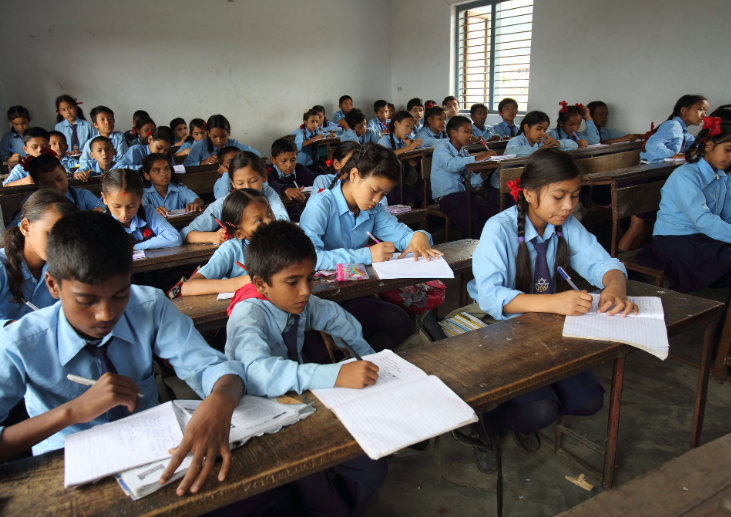
The status of the underprivileged groups is socially, culturally and economically very low. They are deprived of opportunities for self-development. In particular, children of these communities are amongst the most disadvantaged. Due to a cash poor economy most of the children are held back from going to school by parents and are forced to assist with the household chores. Lack of education is one of the key factors for the lack of social progress. Thus, RUWDUC identified the need to encourage and promote education among children from underprivileged families, amongst whom the dropout rate was very high. RUWDUC believes education is a key strategic development process that can help bring about distinctive positive change in the position of the dalit and disadvantaged groups of the region. Objective  Provide scholarships to students from underprivileged and impoverished families of Far West Nepal. The scholarship provided will enable these students to continue with their education up to the high school level, thus providing better opportunity in life.  Target Areas Scholarship programme is being conducted in the following two Districts. In Dadeldhura District scholarships have been provided to students of namely, Amargadi Municipality, Ajaymeru VDC, Koteli VDC, Manilekh VDC, Mastamandu VDC, Kaipalmandu VDC, Ganeshpur VDC, Belapur VDC, Jogbuda VDC, Alital VDC, and Sirsha VDC. In Doti District it has been provided to students of Silgadi and Dipayal Municipality.  Major components/Activities and Donors In Dadeldhura District scholarships have been provided to 100 children (on a yearly basis) from underprivileged and impoverished families. Various individual donors both local and international are supporting RUWDUC’s scholarship programme for Dadeldhura District since 2000.   In Doti District scholarships have been provided to 45 students (on a yearly basis) of underprivileged families. This scholarship is being provided by Street Children of Nepal Trust Fund since 2002. Additional scholarship has been provided to additional 40 selected students from underprivileged families since the new fiscal year of 2011 by an individual international donor Dr. Bernard.   The support provided via the scholarship programme for all these students are mainly in the form of providing them with schoolbooks, stationary, exam fees, uniforms, shoes, bags, etc.   Donor/Time Frame: Dadeldhura District – April 2000 onwards Doti District – April 2002 onwards Bernard Scholarship – April 2011

Local Scholarship Programme for Underprivileged Children Read More »

Mero pathan Paathan ma RUWDUC ko saath

RUWDUC focused on the marginalized communities to select the students. The ethnicity wise data also reflects the same. 59% of total Students who received Scholarship are Janjati and 23 % are Dalits which shows that 82% are from Marginalized communities and only 18% represent Brahmin and Chhetris. RUWDUC was able to achieve the target of providing scholarship to more Marginalized community Members.A total of 308 students from Urma and Foolbari Resource Centers were distributed the scholarship material.  Among 308 students, 180 were girls and 128 were boys which reflect that 58.4% represent Female and 41.6% are Male. The number of the girls is higher in comparison to the boys.  272 students who received scholarship materials are from basic level schools and 36 are completing their secondary level studies. It has been observed that the students of basic level needsthe scholarship program next year as well to continue their secondary level education. Among the scholarship distributed, 254 students were financially supported by ALFS whereas, 54 were supported by personal Donors. Among 254 supported by ALFS, 146 are Female and 108 are Male. ALFS supported to 217 Marginalized Community students and personal donors have supported to 37 Marginalized community Members.

Mero pathan Paathan ma RUWDUC ko saath Read More »

Children’s Home, Kanchanpur

Children’s Home, Kanchanpur Donor : Nepal Youth Foundation and RUWDUC’s core fund Time Frame  : 2003 – till now  As in any impoverished society the most vulnerable are children. In this particular area, due to ill health the life expectancy at birth is lower than the national average for both men and women and as a consequence a number of children have been orphaned. As the government’s programs are inadequate and insufficient the situation of the orphans of the area is extremely pitiable and deplorable. Lack of education, proper nutrition and attention makes their conditions even worse. Facing such desperate conditions, with very little opportunities the future of these children remain bleak as the communities they live in is poverty-stricken, they often do not have anybody to support them. Consequently, RUWDUC devoted to serving the needs of the children, established a small Children’s Home in April 2003 to serve at least 12 girl children. It envisaged that in the future the success of rearing and caring for these children would contribute towards making them good and able citizen of Nepal. This home was the first in the hill districts of the impoverished far-western areas of Nepal. The Children’s Home was initially situated in Jogbuda VDC, Dadeldhura district but when Jogbuda became a highly conflict-affected area and the organization began to receive threats from the insurgents the board decided to relocate the Children’s Home to a safer area to avoid the potential risks that may be imposed on the children. Currently the Children’s Home is situated in Mahehdranagar Municipality of Kanchanpur District in the far west region of Nepal and has housed a total of 18 girls since its establishment. Initially a total of twelve orphan girls were selected from Dadeldhura, Doti, Kailali, Kanchanpur and Dailekh Districts. Most of these children were recommended by the women’s groups working in the areas whereas some were recommended by the CDO Office. The Children’s Home houses these girls up to Grade 10 and upon completing their SLC examination they are sent to home to live with their families/relatives to learn their cultures and get reacquainted with their community. In 2011 another 6 girls were selected to replace the girls that had moved out so they too would receive an opportunity to improve their future. At present the Children’s Home has been providing 14 girls and 1 small boy with better living conditions and a chance for a better life, as they are being provided with education, proper nutrition and attention. Most of these children have made a tremendous effort at educating themselves and have shown keenness towards studies. A total of 4 girls (2 older and 2 younger) share a room so the older children can help taking care of the younger students (cleaning the room, washing etc.). All the children go to visit their families for a month every year during the Dashara Festivals which is held in September/October. All these children are studying in a Mahindra Higher Secondary School a local government school situated near the children’s home. Among them, Laxmi Shrestha and Bipana Chaudhary belonged to the batch of 2015 to give School Leaving (SLC) examinations. They have now moved out from the children’s home. So, currently there are 14 students in children’s home with 1 students  added.

Children’s Home, Kanchanpur Read More »

Girl’s Hostel Tribeni Multiple Campus, Jogbuda and Scholarship Programme for Outstanding Girls

RUWDUC constructed three storyed building for 48 girls students to continue their higher education. The hostel was build with the support from Japanese Embassy in Nepal, District Development Committee, Parshuram Municipality and Tribeni Multiple Campus, Jogbuda, Dadeldhura. Social change cannot be achieved overnight. However, a major contributor to social change is education. Educated societies have made a great deal of progress. Studies indicate that the family of an educated mother is not only better off physically but socially as well. Based on this theory the government of Nepal has made education up to the primary level free. In practice, however, the costs of the school uniform and other miscellaneous items have to be borne by the parents. Faced with dire poverty, most girl children are held back from going to school by parents. Another reason for the high dropout rate of girls at the primary level is the heavy workload they are expected to undertake within the household unit.  Objective  In view of the despairing state of the women and girls of the underprivileged Far West Nepal, RUWDUC decided to provide scholarships for some of the best girl students from improvised families of Dadeldhura district to come and study in Kathmandu.  Major Components/Activities  Selection examinations were held throughout Dadeldhura district and the best four students were selected. RUWDUC has ensured funds for their education up till the tenth grade. Students who fail to pass a grade will be disqualified for the scholarship. These four students were admitted in Mahendra Bhawan Higher Secondary Boarding School, Kathmandu. At the time when these students came they possessed minimal knowledge on hygiene, sanitation, health, interpersonal skills as well as English language. However, the scholarship programme has brought about immense change in them. The opportunity to continue their studies in good schools in Kathmandu has brought about great positive change in them. They have proved to be intelligent and shown keenness towards studies and have made a tremendous effort at educating themselves and improving their personalities. The scholarship was initially provided by RUWDUC from 1997-1998, followed by the UN Women’s Guild from 1998-1999. This scholarship was then continued by SNV Nepal (1999- 2006) until these students completed their tenth grade examination (School Leaving Certificate).

Girl’s Hostel Tribeni Multiple Campus, Jogbuda and Scholarship Programme for Outstanding Girls Read More »

Kitchen Gardening

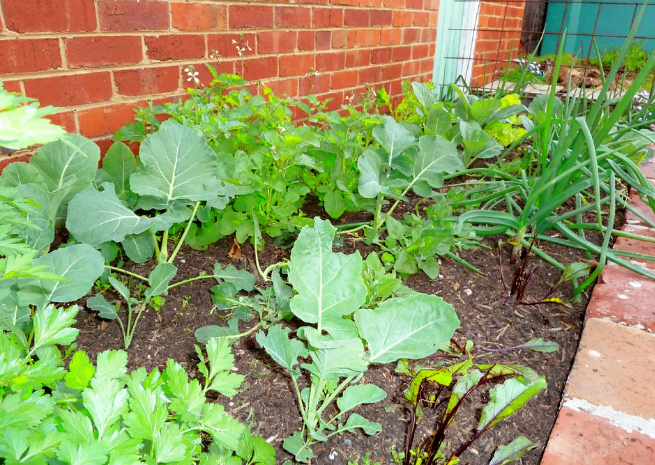
Nutrition Oriented Rural Education and Kitchen Gardening Programme The project came into being for sustaining and maintaining the continuity of homestead gardens, through regular supply/availability of good quality seeds, seedlings/saplings. Another major factor assessed was the lack of knowledge amongst the target population regarding the nutritional values of different vegetables. Objectives Promote the local based NGO entrepreneurs and village based private entrepreneurs to use and ensure the supply of seeds/saplings/seedlings related inputs and technical counseling to the beneficiaries Develop a permanent contact person both for fellow farmers and change agents (NGO, INGO personnel). Target Areas : The programme was conducted in the VDCs of Jogbuda, Alital and Sirsha where the birthing center is situated. Major Components/Activities Central Resource Nursery was established to increase the knowledge amongst the target population regarding the nutritional values of different vegetables. Ward Level Model Kitchen Garden was also established Support was provided to the Ward level Resource Nursery. Homestead gardens were also established.

Kitchen Gardening Read More »

Income Generation

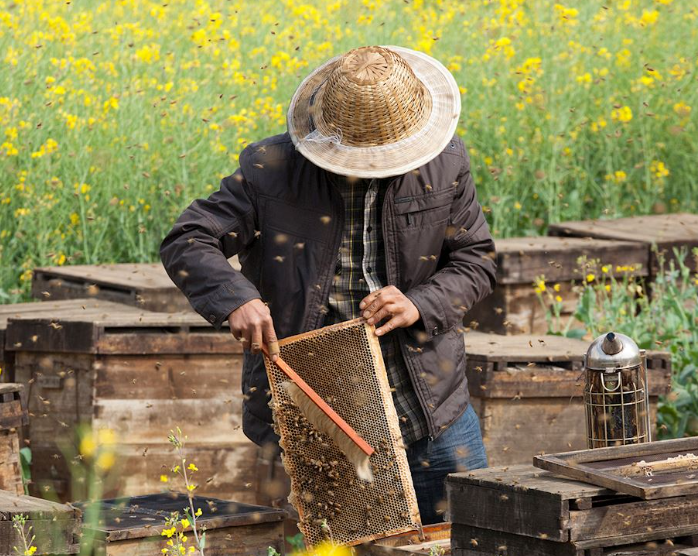
The Indigenous Honey Bees in the Himalayas: A Community Based Approach to Conserving Biodiversity and Increasing Farm Productivity The ‘Promotion and Development of Bee Keeping through Preservation and Conservation of Apis Cerana’ has been RUWDUC’s first project. This project aimed to develop a sustainable small-scale industry that would generate income and contribute to the improvement of the livelihoods of the poor farmers of the Far West. Environmentally friendly, this program required minimal capital outlay, little time and virtually no land. With financial and technical support provided by the International Center for Integrated Mountain Development (ICIMOD) the bee-keeping programme was launched at Ugratara VDC, Dadeldhura from 23 March 1996. Men and women farmers from the area were trained in modern bee keeping techniques. Consequently, there was a substantial increase in the amount of honey and wax produced resulting in additional much needed income for the farmers. The trainees formed groups and have established a Demonstration Apiary run by the farmers themselves, which develops bee colonies for extension and promotion of bee keeping in the area. Due to the success and impact of the past activities the project has been extended by ICIMOD. Entitled ‘The Indigenous Honey Bees in the Himalayas: A Community Based Approach to Conserving Biodiversity and Increasing Farm Productivity’. Its main activities were to promote sustainable management of Apis cerana and other indigenous honeybees in the Hindu Kush Himalayas, that can be applied by mountain communities and contribute to the conservation of bio-diversity and diversity of honeybees, as well as farm productivity. The other part focused on action research and development aspects in Nepal. Objective Increase knowledge and understanding of apiculture with indigenous honeybee species by providing training and networking with other beekeeping agencies. Conduct research on selection and multiplication of Apis Cerana, issues of crop pollination and indigenous honeybees and communities dependant on them. Develop a sustainable small-scale industry that would generate income for the beekeeping farmers. Target Areas The programme was conducted in Bagarkot, Ajayameru, Samejee, Manilekh, Navadurga, Kailpalmandu, Ashigram, Ganeshpur, Belapur, Alital, Sirsha VDCs and Amargadhi Municipality. Major components/Activities Information Collection on Indigenous honeybees for Selection and Queen Rearing Programme: Data was collected on a monthly basis for two years for research from all the 355 bee colonies of Alital VDCs. There was an increase from the initial number of 355 bee colonies to 600 bee colonies due to this programme. There was also a tremendous increase in the production of honey compared to the initial stage of the programme. Initially the production of honey used to be approximately 250 kilos per year whereas after the programme the production of honey was approximately 1200 kilos per year. Training and extension programme: 400 farmers both men and women from the target areas were trained in modern bee keeping techniques, hive making training, on the spot bee awareness programme, queen rearing training, beekeeping and seasonal management training, wax processing and candle making trainings and pollination demonstration. Market study and micro-enterprise development / Action Plan: Questionnaires were developed by ICIMOD for market study and micro-enterprise development. The data for these questionnaires were collected from all the beekeepers and submitted to ICIMOD. A bee keeping shop was also established in the municipality by RUWDUC. Bee keeping stalls were also kept to display the beekeeping products for both demonstration and sale during various functions in Dadeldhura and Kathmandu. Training of Trainers on Queen Rearing Training: ICIMOD funded a 15-day TOT on queen rearing, which was conducted by an NGO in Kulu Valley (India) for the district staff. This training was in turn provided to the bee keeping farmers of the target areas by that staff. Observation program: ICIMOD organized a 10-day visit for the project staff and bee keeping lead farmers to visit an NGO in Nilgiri Hills (South India) for experience sharing and learning about their marketing programme (processing, labeling and packaging honey). Time Frame:    March 1996 – July 2001 The Indigenous Honey Bees in the Himalayas: A Community Based Approach to Conserving Biodiversity and Increasing Farm Productivity The ‘Promotion and Development of Bee Keeping through Preservation and Conservation of Apis Cerana’ has been RUWDUC’s first project. This project aimed to develop a sustainable small-scale industry that would generate income and contribute to the improvement of the livelihoods of the poor farmers of the Far West. Environmentally friendly, this program required minimal capital outlay, little time and virtually no land. With financial and technical support provided by the International Center for Integrated Mountain Development (ICIMOD) the bee-keeping programme was launched at Ugratara VDC, Dadeldhura from 23 March 1996. Men and women farmers from the area were trained in modern bee keeping techniques. Consequently, there was a substantial increase in the amount of honey and wax produced resulting in additional much needed income for the farmers. The trainees formed groups and have established a Demonstration Apiary run by the farmers themselves, which develops bee colonies for extension and promotion of bee keeping in the area. Due to the success and impact of the past activities the project has been extended by ICIMOD. Entitled ‘The Indigenous Honey Bees in the Himalayas: A Community Based Approach to Conserving Biodiversity and Increasing Farm Productivity’. Its main activities were to promote sustainable management of Apis cerana and other indigenous honeybees in the Hindu Kush Himalayas, that can be applied by mountain communities and contribute to the conservation of bio-diversity and diversity of honeybees, as well as farm productivity. The other part focused on action research and development aspects in Nepal. Objective Increase knowledge and understanding of apiculture with indigenous honeybee species by providing training and networking with other beekeeping agencies. Conduct research on selection and multiplication of Apis Cerana, issues of crop pollination and indigenous honeybees and communities dependant on them. Develop a sustainable small-scale industry that would generate income for the beekeeping farmers. Target Areas The programme was conducted in Bagarkot, Ajayameru, Samejee, Manilekh, Navadurga, Kailpalmandu, Ashigram, Ganeshpur, Belapur, Alital, Sirsha VDCs and Amargadhi Municipality. Major components/Activities Information Collection on Indigenous honeybees for Selection and Queen Rearing Programme: Data was collected on a monthly basis for

Income Generation Read More »

Basic Community Mediation Training

Basic Community Mediation Training- Dadeldhura and Kanchanpur: Supported by: The Mediation Council, Nepal  RUWDUC in coordination with Mediation Council organized 8 days Basic Mediation Trainings from 23 to 30 June, 2016 in Dadeldhura. Total 27 participants from civil service(10), Teachers (8), Police (1), Civil Society(4) and Bar association(4) from Doti, Dadeldhura , Baitadi, Kanchanpur and Darchula participated in the training. Trainers from RUWDUC and government organizations facilitated the training.  RUWDUC, as a certified organization to conduct BM Training, organized 8-days BM Training with financial support from the Mediation Council, Nepal from 17-24 February, 2017 in Kanchanpur, Nepal. The training was provided to the Government staff from Kanchanpur, Kailali, Doti, Bajhang and Baitadi districts. The collaboration reflects the coordination of the MA with the Melmillap Alliance.

Basic Community Mediation Training Read More »

Building Peace in Nepal: Ensuring Participatory and Secure Transition Project (EPST):(2013 – 2014 Years)

RUWDUC implemented the EPST program in partnership with Search For Common Ground (SFCG) and with support from UN WOMEN. EPST’s activities took place in Kailali and Kanchanpur districts.  This program’s objectives were: To promote women’s right To protect women and encourage their participation in the post-conflict period The program reached out to Local Peace Committees and its District Coordination Committee members to enhance their capacity through orientation and training. Capacity building training for conflict affected women (former combatants and victims) from both districts and civil society organizations engaged in peace building were organized; these enhanced and consolidated their networking capacity. Additionally, conflict affected women were identified and provided opportunities to take preparation classes for the Public Service Commission examinations, peace memorials were established and seed fund provided to conflict affected women to promote peace in the districts.

Building Peace in Nepal: Ensuring Participatory and Secure Transition Project (EPST):(2013 – 2014 Years) Read More »

SIWPSAN

Strengthening Implementation of the Women, Peace and Security Agenda in Nepal: Towards Implementation of the National Action Plan UNSCRS 1325 and 1820 (SIWPSAN) (2014 -2015)  RUWDUC is implementing this program with support from UN Women and in partnership with SAATHI. With its activities being divided between RUWDUC and SAATHI, this project is being implemented in three districts of far-west region, viz. Bajhang, Doti and Kailali. It is designed for a period of one year. The overall program and activities of the project seeks to articulate and strengthen the actions of national and local networks to promote, educate, investigate and disseminate sustainable approaches for implementation of Women, Peace and Security (WPS) agenda in Nepal.RUWDUC being co-applicant of SAATHI, reports its activities and progress to SAATHI only. SIWPSAN target group includes district level project partners, District Coordination committee (DCC), Local Government Stakeholders, Inter-Party Women Alliance (IPWA), Political Parties and Local Peace Committees (LPCs). RUWDUC implements six activities all together in two districts of project area.

SIWPSAN Read More »

Community Mediation (A2J-WOMCOM)

Nepal has entered a new phase of political development following the promulgation of new Constitution, formation of local government, and followed by Legislative, Provincial and National Assemble elections. Judicial Committees have been formed in 753 local Government under the chair of Deputy Mayor/Vice- Chairperson of which 94% are led by women. It is relevant to note that Article 217 of the Constitution of Nepal states about the Judicial Committees that the panel headed by the Deputy Chief of Rural Municipality and Municipality shall settle the prescribed category of disputes arising at local level. Furthermore, with a view to give substantiation to the constitutional provision sections 47 to 54 of the Local Governance Operation Act 2074 provide an elaboration on the constitutional provision on local dispute resolution with intent to give enforcement to it. The provisions in the law intend to focus on mediation requiring that community disputes should be resolved through mediated facilitation to arrive at mutually agreed gain-gain outcome. Going by the empirical evidences obtained during the last one year from the implementation of the provisions at local level, it has been generally found that the Judicial Committees have used their authorities to enhance and institutionalize mediated facilitation for dispute resolution. Despite their involvement in budget planning and revenue, monitoring and evaluation, JCs have given priority to Community Mediation. Melmillap Alliance (RUWDUC, IGD and Pro Public) with the objective “to ensure access to justice, primarily to women and marginalized generally unable to access it” has been implementing “Strengthening Access to Justice for Women and Marginalized Communities through Community Mediation (A2J-WOMCOM)” Project with the support from Governance Facility from January 2016  to December 2018 in 7 districts (Dadeldhura, Doti, Kailali, Dhausha, Sarlahi, Tanahun, Chitwan) of Nepal.  The Project outcomes and impacts continue to be highly relevant due to its dispute resolution system which is cost effective, easily accessible to the marginalized and women groups, and works towards ensuring social and gender justice. During the current Annual reporting period (Jan- Dec, 2018), the project outputs were delivered as per the agreed AWAB. This final year mainly focused on coordination with Local Government, Judicial Committees and relevant stakeholders (Police, Women Group, Political Parties). The coordination focused on ownership of the project by the local government, post project phase out. All the 56 Community Mediation Service Centres which were established by MA have been handed over to the community. As per the Local Governance Operating Act, 2074 all trained mediators have to be certified by Judicial Committees for involving themselves in Community Mediation Process. Out of 838 Mediators trained through A2J-WOMCOM Project, 756 Mediators have been certified by JCs. Remaining Mediators are in the process which will be monitored by MA Post Project Phase out as well. A total of 2,286 cases were registered from September 2016  to December 2018 in 56 Community Mediation Service Centres among which 1,968 cases were mediated successfully by 667 Mediators (57.5% women mediators and 53.2% marginalized mediators participated during these successful mediation processes) validates the need and value of community mediation. Close coordination with elected members has resulted in referral of 359 cases (Ward offices: 155, Judicial Committees: 96, WDO, Police, Land Revenue Office and Court: 108) to Community Mediation Service Centres. It has been observed that 661 (52.8%) women from 56 Wards accessed community mediation services, while 744 (59.42%) marginalized community members availed the same. All 56 Wards of MA working area have allocated budget for Community Mediation. The budget will be used for transportation and communication cost for the mediators and stationery used during Mediation sessions. This will encourage Mediators who have been working voluntarily for more than 2 years. Budgetary allocation and space provided for CMs Centres by the Local Government reflects sustainability of the project. MA has formed 7 Women Mediator’s Alliance (WMA) in 7 districts (Dadeldhura, Doti, Kailali, Dhanusha, Sarlahi, Chitwan and Tanahun). The Alliance has been formed selecting Women Mediators from A2J-WOMCOM working area. For this purpose, MA has prepared criteria  for selection of Women Mediators, along with their roles and responsibilities. The main objectives of WMA were to work as bridge to support in accessing justice for women and reach out to Judicial Committees and vice versa. MA has played  the role of secretariat during the WMA formation and provided necessary suggestions and feedback for the future. A key lesson learnt during this quarter has been coordination with Local Government and Judicial Committees regarding their support in ownership and sustainability of the program. The elected bodies have been supporting the CM program as per the Local Governance Act and have allocated budget for sustainability of the program.

Community Mediation (A2J-WOMCOM) Read More »

Transboundary Rivers of South Asia (TROSA)

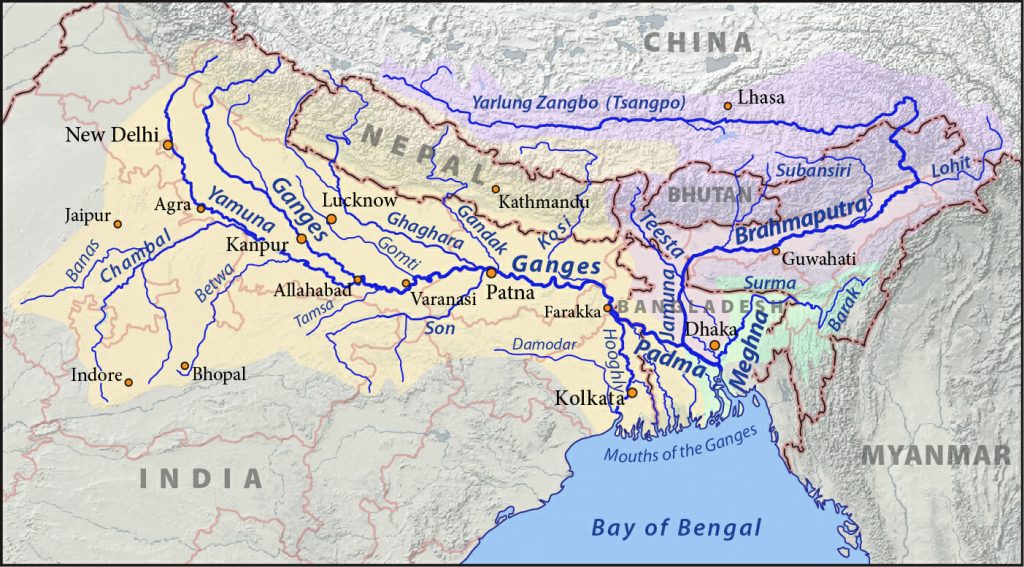
Transboundary Rivers of South Asia (TROSA) Dadeldhura District, Nepal Rural Women’s Development and Unity Centre (RUWDUC in partnership with OXFAM have jointly implemented “Transboundary Rivers of South Asia (TROSA project.” The project has been rolled out in Mahakatli Rivers basin of Purshuram Municipality of Dadeldhura District., OXFAM Nepal has signed agreements with local organizations namely RUWDUC, Sankalpa, RUDES, NEEDS which are from Dadeldhura, Darchula, Baiatadi, and Kanchanpur Mahakali basin basin area implementing TROSA project . The project goal is to reduce poverty and marginalization of vulnerable communities living in Mahakali basin – a sub-basin of Ganges and these river basins have significant trans-boundary challenges and present opportunities to achieve results as these river basins have relatively limited focus. The issues that this water basins face could be addressed include: impacts from floods and droughts; policy and governance; violence and girl’s trafficking; early warning and availability of water for the environment and ecosystems of rivers, watersheds, floodplains and wetlands. Including all these issues, there is another pertinent issue of the rights of the poor tans marginalized people within societies – either as result of race, religion or gender or often as consequence of all such. TROS A aims of address such governance issues in Mahakali basin of Nepal. TROSA’s objectives can be achieved through the wider coordination with high level government officials and other actors. The TROSA is a five year-year regional level program ( 2017-2022). The program is launched in Nepal, India, Bangladesh, and Mayanmar focusing in the transboundary water basins. The program brings together efforts to support the lives of communities living along the Ganges, the Brahmaputra- Meghna and the Salween river basins. Objectives of the project: The overall objective of the project is to: “Reduce poverty and marginalization of vulnerable river basin communities through increased access to and control over riverine water resources on which their livelihoods depend.” Improved policies and practices of government that protect the rights of river basin communities to water resources Improved policies and practices of private sector and other actors that respect the rights of river basin communities to water resources Strengthened capacity of river basin communities and civil society to participate in and influence trans-boundary water resource management Cross cutting objective Amplification of women’s profile and influence in dialogues and decision- making on infrastructure The TROSA Project interventions are exclusively designed to bring in various stakeholders together represented by government, private sectors, CSOs and encompassing actors beyond boarders in one platform so as to raise their awareness on the situations and make them realize policy makers on the inherent causes of poverty, marginalization and vulnerability of basin communities of those who are perpetually deprived of access to and control over riverine water resources to improve their livelihoods. Here are some expected outcomes under which respective outputs are stated below: Outcome 1: Outcome # 1: Government policies and practices at all levels in water resource management area more inclusive of community concerns and meet national and international standards River Basin Level Outputs (1.1-1.5) Raising awareness in government, develop and disseminate communication resources for government stakeholders using inception phase analysis and case studies; including info graphics, stories, blogs, briefing papers etc. Output 1.3 Collaborate with energy network partners a basin dialogue (sub-national) about alternative energy policy and plans (I, B, N) and (M and T)Central Level Organizing an annual dialogue event involving CSOs, affected communities & government (to be determined) on each River Basin – District Level ( loose network, committees, plate form Country level Outputs 1.6- 1.14 Nepal will coordinate with India to share findings of Mahakali analysis with India stakeholders to identify common issues & actors for the Sharada Conduct a national dialogue, with energy network partners in India and in Nepal- inter-country Regional exchange visit & dialogue between Government agencies Basin learning event (Government + CSOs – Impacting issues and dialogue by involving WEC members Trans- boundary policy events Government exchange to see issues on ground, and understand across border Outcome 2: Practices of practices of private sector respect community access to water resources actively contributing to reduced conflict Output 2.1 – 2.3 River Basin level outputs Organizing dialogue events to engage with 30 people from private sector CSOs affected communities and / or district government based on trans-boundary issues identified form consultations Raising an annual meeting and / or exposures in the targeted / affected area Organizing an annual meeting and / or exposures in the targeted / affected area Country levels Outputs ( 2.4 -2.6 ) Providing key documents on international standards and practices obtained from research and practices ( only focus on key case studies from the field ) Outcome 3: Strengthened capacity of river basin communities and civil society to participate in and influence trans-boundary water resource management River basin level Outputs (3.1-3.5) Prepare and disseminate CSO and community level information about water rights and basin programs; using media (print, radio , ICT, and / or TV , street theater , posters / pamphlets etc.; Documentation of transboundary issues or of water challenges within local contest and take to government and private sector stakeholders Review of Existing Early Warning system in Mahakali / Sarada Basin ( coordination with OXFAM India ) EWS across boundaries area established (Coordination meeting with DHM , ICIMOD ,Practical Action and other related stakeholders, Formation of a task force, development of EWS communication strategy and simulation) Assessing budget allocation for water management issues at local scales- local , municipal , district – to ascertain where resources are allocated and where there’re are gaps. Contingency support and contingency plan for partner Country level output 3.6-3.9 Conflict and grievance mechanisms established and tested for community to community conflict across borders Outcome 4: Increased participation & influence of women in transboundary water governance. Policies and processes River Basin Level Output 9 4.1 – 4.2) Consultation with women form the target VDCs / municipalities on the program gender strategy In all contexts, Awareness Raising and strengthening and participation of women in women focused organizing structures, such

Transboundary Rivers of South Asia (TROSA) Read More »